




Efficiency Redefined: The Power of Carbon Molecular Sieves
In an era where industrial efficiency and sustainability are paramount, carbon molecular sieves (CMS) have emerged as transformative materials, redefining gas separation processes across critical industries. These advanced adsorbents, with their precisely engineered microporous structures, deliver unmatched selectivity and energy efficiency in applications ranging from nitrogen generation to hydrogen purification.
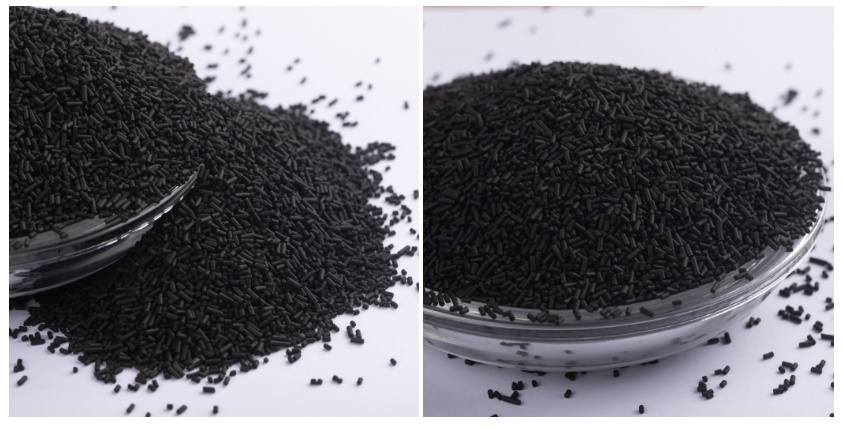
The true power of CMS lies in their ability to separate gas molecules with atomic-level precision while consuming significantly less energy than traditional methods. Modern CMS can achieve nitrogen purity levels exceeding 99.9995% for electronics manufacturing, enable cost-effective oxygen enrichment for medical use, and facilitate clean hydrogen production for the energy transition. Their temperature and pressure resilience make them ideal for harsh industrial environments where conventional membranes fail.
China has become the epicenter of CMS innovation, with domestic researchers developing next-generation sieves using agricultural waste precursors and graphene-enhanced composites. These advancements not only improve adsorption capacity by 30-40% but also align with circular economy principles. As global demand grows for carbon capture solutions and ultra-high-purity industrial gases, CMS technology stands poised to become the backbone of sustainable manufacturing – proving that sometimes, the smallest pores can make the biggest impact.
Related News


TOP