




Carbon Molecular Sieves: The Unsung Heroes of Gas Separation
Behind the scenes of modern industry, carbon molecular sieves (CMS) perform quiet miracles in gas separation - work that often goes unrecognized despite being fundamental to countless applications. These specialized adsorbents, with their meticulously tailored pore structures, operate with molecular precision where other technologies struggle.
The true brilliance of CMS lies in their ability to distinguish between nearly identical gas molecules. While oxygen and nitrogen differ by just 0.2 Å in molecular diameter, CMS can separate them with 99.9% efficiency - a feat that revolutionized nitrogen generation for food packaging, electronics manufacturing, and pharmaceutical applications. In hydrogen purification, CMS achieve purity levels that fuel cells demand, while their pressure swing adsorption processes consume 50-70% less energy than cryogenic alternatives.
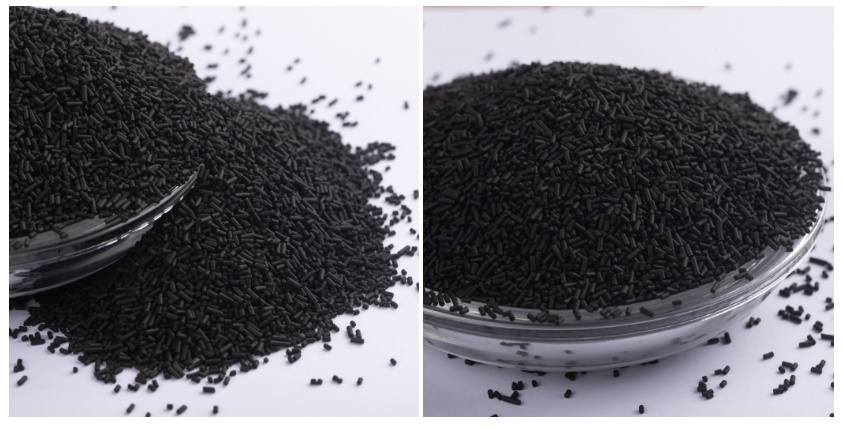
China's CMS industry has propelled these capabilities further through innovations like hierarchical pore structures and surface-modified chemistries. Recent breakthroughs at Zhejiang University have yielded CMS with 40% faster adsorption kinetics, while industrial applications in steel plants now recover 95% of waste gases. As the world pursues carbon neutrality, these unassuming carbon matrices are proving indispensable - not just as industrial tools, but as enablers of our sustainable future. Their greatest achievement may be making the extraordinary look routine.
Related News


TOP