




Unlocking the Secrets of Carbon Molecular Sieves: The Future of Gas Separation
Carbon Molecular Sieves (CMS) are revolutionizing the field of gas separation, offering unparalleled efficiency and precision. These advanced materials, characterized by their highly controlled pore structures, have become indispensable in industries ranging from healthcare to environmental protection. But what makes CMS so special, and why are they considered the future of gas separation?
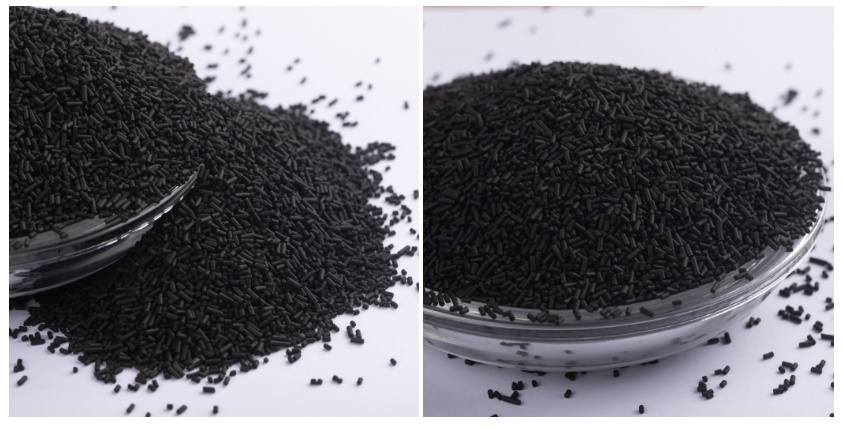
The Science Behind CMS
CMS are engineered to have a narrow pore size distribution, allowing them to selectively adsorb molecules based on size and shape. This unique property enables CMS to separate gases with similar molecular sizes, such as nitrogen and oxygen, with remarkable precision. Unlike traditional adsorbents, CMS can operate under a wide range of temperatures and pressures, making them versatile and reliable.
Key Applications
- Nitrogen Generation: One of the most significant applications of CMS is in Pressure Swing Adsorption (PSA) systems for nitrogen generation. By selectively adsorbing oxygen and other impurities, CMS produce high-purity nitrogen, essential for industries like food packaging, electronics, and pharmaceuticals.
2. Hydrogen Purification: CMS are also crucial in hydrogen purification, where they remove impurities like carbon dioxide and methane. High-purity hydrogen is vital for fuel cells, chemical synthesis, and refining processes.
3. Environmental Protection: CMS play a pivotal role in reducing industrial emissions by adsorbing volatile organic compounds (VOCs) and other pollutants. Their high adsorption capacity and selectivity make them effective in air purification systems and waste gas treatment.
4. Medical Applications: In the medical field, CMS are integral to oxygen concentrators, providing a reliable source of oxygen for patients with respiratory conditions. Their ability to separate oxygen from air ensures the delivery of medical-grade oxygen.
Market Trends and Future Prospects
The global CMS market is experiencing robust growth, driven by increasing demand from various industries. According to industry reports, the market is projected to grow at a compound annual growth rate (CAGR) of 6-8% over the next five years. The Asia-Pacific region, led by China and India, is the largest and fastest-growing market for CMS, fueled by rapid industrialization and stringent environmental regulations.
Conclusion
Carbon Molecular Sieves are unlocking new possibilities in gas separation, offering solutions that are not only efficient but also environmentally friendly. As industries continue to prioritize sustainability and efficiency, the demand for CMS is set to rise. By leveraging the unique properties of CMS, we can look forward to a future where gas separation is more precise, cost-effective, and sustainable than ever before.
Related News


TOP