




Carbon Molecular Sieve Pressure Swing Adsorption Nitrogen Generation Unit
The Carbon Molecular Sieve Pressure Swing Adsorption (PSA) Nitrogen Generation Unit is a revolutionary device in gas separation technology. At its core, carbon molecular sieves play a pivotal role. These sieves are porous materials with unique pore structures that can selectively adsorb oxygen molecules from air while allowing nitrogen to pass through.
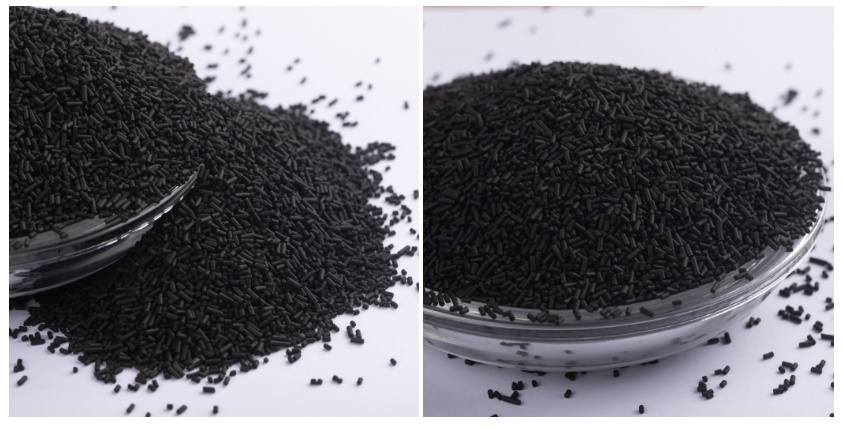
The working principle of this unit is based on the PSA process. Air, as the raw material, is first compressed and then fed into the adsorption towers filled with carbon molecular sieves. Under high pressure, oxygen is adsorbed onto the surface of the carbon molecular sieves, and the unadsorbed nitrogen is collected as the product gas. When the adsorption capacity of the sieves reaches saturation, the pressure is reduced, and the adsorbed oxygen is desorbed, regenerating the carbon molecular sieves for the next adsorption cycle.
This type of nitrogen generation unit offers numerous advantages. It is highly efficient, capable of producing nitrogen with high purity levels, typically ranging from 95% to 99.999%. It also has a relatively simple operation process, requires less maintenance, and is energy - efficient compared to traditional nitrogen production methods.

The Carbon Molecular Sieve PSA Nitrogen Generation Unit has found wide applications across various industries. In the chemical industry, it is used for inert gas protection in chemical reactions. In the electronics industry, high - purity nitrogen produced by this unit is crucial for semiconductor manufacturing processes. In the food industry, it helps in food packaging to extend the shelf - life of products by creating an oxygen - free environment. Overall, it has become an essential device for industries that require a reliable and cost - effective source of nitrogen.
Related News


TOP