




How to Handle Industrial VOCs Gas: Strategies and Practices
Volatile Organic Compounds (VOCs) are a significant concern in the industrial sector, as they can pose health risks to workers and impact the environment. VOCs are emitted in various forms, including solvents, paints, adhesives, and other common industrial processes. In this article, we will explore strategies and practical methods for handling industrial VOCs gas emissions effectively and responsibly.
Understanding the Nature of VOCs Gas
VOCs are gases that easily evaporate at normal temperatures and pressures, and they can be emitted into the atmosphere as fugitive emissions or process gases. They are typically colorless and odorless, making their detection difficult without specialized equipment. VOCs are known to cause various health effects, ranging from mild irritation to serious chronic diseases such as cancer. They also contribute to the formation of ground-level ozone, a major component of smog.
Strategies for Handling Industrial VOCs Gas
- Emission Reduction Techniques: Implementing emission reduction techniques at the source is the most effective way to handle industrial VOCs gas. This can involve using low-VOC or VOC-free alternatives for paints, adhesives, and other industrial materials. Additionally, leak detection and repair (LDAR) programs can identify and fix fugitive emissions from equipment and pipelines.
- Process Optimization: Process optimization can help reduce VOC emissions by improving production efficiency and minimizing waste. This can include optimizing material feed rates, improving mixing techniques, and utilizing energy-efficient equipment.
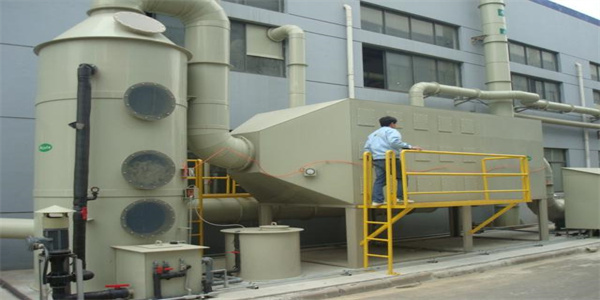
- Capture and Purification Systems: Installing capture and purification systems, such as condensation separators, adsorbers, or thermal oxidizers, can effectively capture and remove VOCs from industrial processes. These systems convert VOCs into less harmful substances or recycle them for further use.
- Regular Monitoring: Regular monitoring of VOC emissions is essential to ensure compliance with environmental regulations and identify potential sources of fugitive emissions. Using continuous monitoring equipment or periodic inspections can provide valuable data on VOC levels and identify areas for improvement.
- Training and Awareness: Employee training and awareness are crucial for effective VOC management. Workers should be informed about the hazards of VOCs, proper handling procedures, and the importance of following safety and environmental guidelines.
Real-world Applications
Case Study 1: A Chemical Processing Plant: A chemical processing plant in the United States implements emission reduction techniques, including using low-VOC paints and adhesives and implementing a LDAR program. They also install a capture and purification system to effectively remove VOCs from their process gas stream. With these measures in place, the plant experiences a significant reduction in VOC emissions and improved air quality in the surrounding community.
Case Study 2: An Oil Refinery: An oil refinery in Europe invests in process optimization measures, such as improving crude oil distillation techniques and optimizing material feed rates in their production processes. They also implement a monitoring program to track VOC emissions and identify potential fugitive emission sources for further reduction efforts. Over time, the refinery sees a decrease in VOC emissions while maintaining production efficiency.
In conclusion, handling industrial VOCs gas requires a proactive approach that combines emission reduction techniques, process optimization, capture and purification systems, regular monitoring, and employee training. By taking these measures, industries can reduce their environmental impact, improve air quality, and ensure the safety of their employees and neighboring communities. As regulations on VOC emissions continue to tighten, it is essential for industries to stay up-to-date on best practices and technological advancements to effectively handle industrial VOCs gas emissions.
Related News


TOP