




Introduction to Different Types of CO Removal Catalysts
1. Noble Metal Catalysts
Activity: Noble metal catalysts such as platinum (Pt), palladium (Pd), etc. have high catalytic activity for CO oxidation and can achieve a high CO conversion rate at relatively low temperatures. For example, in some experiments, supported platinum catalysts can achieve a CO conversion rate of over 90% at around 100℃.
Selectivity: Noble metal catalysts have high selectivity for CO oxidation and can catalyze the oxidation reaction of CO preferentially in complex gas environments.
Stability: Within a certain temperature and gas composition range, noble metal catalysts have good thermal stability and chemical stability. However, noble metal catalysts are prone to poisoning by sulfur, lead and other impurities, resulting in a decrease in activity.
Lifetime: Due to the high cost of noble metals, in order to reduce costs, noble metals are usually dispersed on carriers by loading. However, during long-term use, noble metals may undergo agglomeration, loss and other phenomena, leading to a shortened catalyst lifetime.
Cost: The preparation cost and purchase cost of noble metal catalysts are high, which limits their application in large-scale industrial exhaust gas purification.
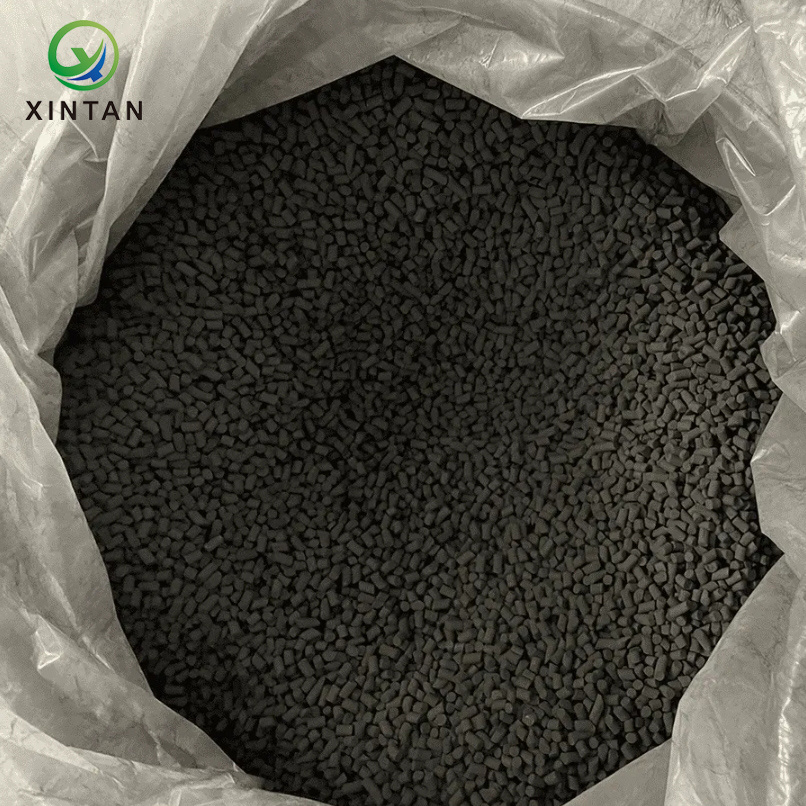
2. Transition Metal Oxide Catalysts
Activity: Transition metal oxides such as copper oxide (CuO) and manganese dioxide (MnO2) also have certain catalytic activities for CO oxidation. Although their activities are generally not as good as those of noble metal catalysts, by using reasonable preparation methods and doping modification, their catalytic activities can be improved. For example, doping with a small amount of rare earth elements can significantly enhance the activity of copper oxide catalysts.
Selectivity: Transition metal oxide catalysts have better selectivity for CO oxidation and can resist interference from other gases to a certain extent.
Stability: Transition metal oxide catalysts have good thermal stability and chemical stability, and have relatively strong tolerance to impurities such as sulfur.
Lifetime: Transition metal oxide catalysts have a relatively long lifetime and can be used for a long time under suitable conditions without frequent replacement.
Cost: The preparation cost and purchase cost of transition metal oxide catalysts are relatively low, and they have good economic performance, making them suitable for large-scale industrial exhaust gas purification applications.
3. Composite Catalyst
Activity: The composite catalyst combines two or more catalyst components to enhance catalytic activity through synergistic effects. For instance, combining precious metals with transition metal oxides can fully leverage the advantages of both, achieving a high CO conversion rate at a lower temperature.
Selectivity: The selectivity of the composite catalyst can be optimized by adjusting its composition and structure to meet the requirements of different industrial exhaust gas purification.
Stability: The stability of the composite catalyst depends on its composition and preparation method. Reasonably designed composite catalysts can have good thermal stability, chemical stability, and mechanical stability.
Lifetime: The lifetime of the composite catalyst is generally between that of precious metal catalysts and transition metal oxide catalysts. By optimizing the preparation process and operating conditions, its service life can be prolonged.
Cost: The cost of the composite catalyst is relatively low, yet it still possesses good catalytic performance and is a catalyst with promising development potential for CO gas removal.
Related News


TOP