




Efficiency Redefined: The Power of Carbon Molecular Sieves
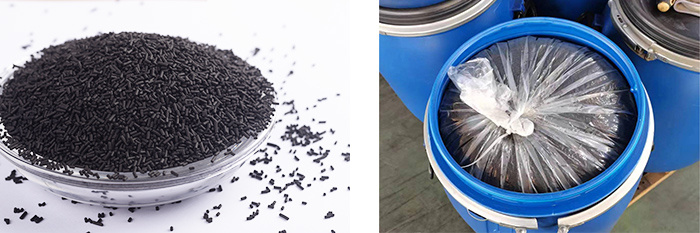
In the world of gas separation and purification, Carbon Molecular Sieves (CMS) stand out as a game-changer, delivering unmatched efficiency where traditional adsorbents fall short. By leveraging their unique microporous structure and tailored adsorption properties, CMS redefines performance in industries ranging from air separation to hydrogen purification.
Precision Separation
Unlike conventional adsorbents such as zeolites or activated carbon, CMS is engineered with ultra-fine pores that selectively trap molecules based on size and diffusion rates. This precision enables highly efficient nitrogen generation (PSA & VSA systems) and biogas upgrading—processes where speed and selectivity are critical.
Faster, Stronger, Longer-Lasting
CMS excels in kinetic separation, adsorbing gases like oxygen or CO₂ at remarkable speeds while allowing desired molecules (e.g., nitrogen or methane) to pass through. Its robust carbon structure ensures superior thermal and chemical resistance, outperforming zeolites in humid or corrosive environments.
Energy & Cost Savings
Thanks to rapid adsorption-desorption cycles, CMS-based systems require less energy for regeneration compared to traditional methods. This translates into lower operational costs and a smaller carbon footprint—key advantages for sustainability-driven industries.
The Future of Adsorption
From medical oxygen concentrators to industrial gas production, CMS technology is setting new benchmarks in efficiency. By combining speed, durability, and precision, Carbon Molecular Sieves are not just improving processes—they’re redefining what’s possible in gas separation.
For industries seeking peak performance, CMS is the ultimate efficiency upgrade.
Related News


TOP